






Abhishek Adhikari, a 25-year-old youth from Manahari, Makwanpur, is redefining the future of agriculture in Nepal. Coming from a tech background with plenty of opportunities to go abroad, he chose instead to embrace his roots, taking over his grandfather’s traditional farm and transforming it into a sustainable, organic agricultural model using innovative, eco-friendly techniques.
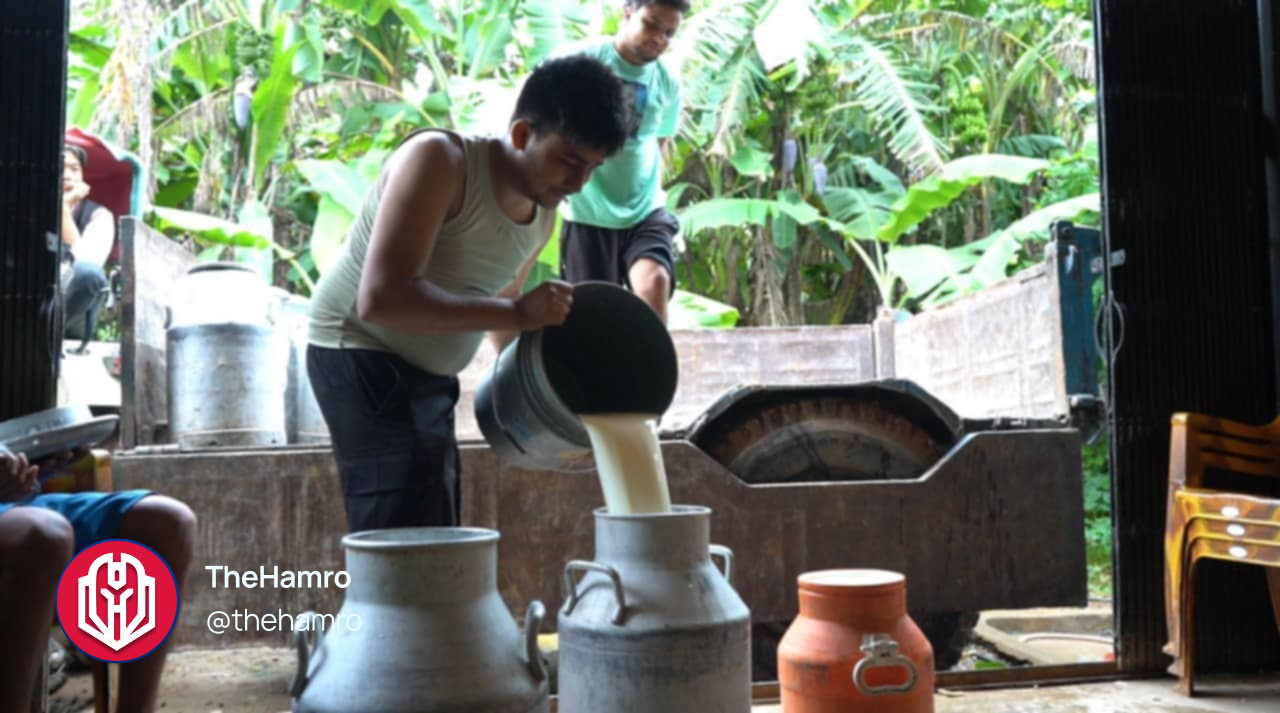
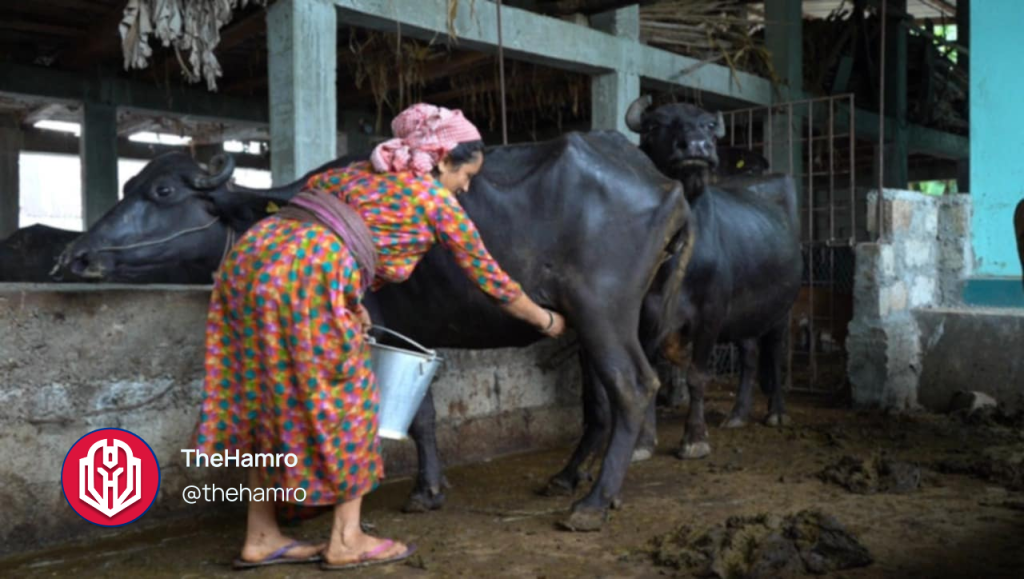
With over 10 years of hands-on experience passed down through generations, Abhishek has successfully established Himalaya Agriculture Farm, which today produces an impressive 400 liters of milk daily, with an average of 7% fat content — a rare quality in the local dairy market. His herd of Murrah buffaloes, known for high-quality milk, is nurtured with care using organic methods. The result? Healthier milk, happier animals, and satisfied customers.
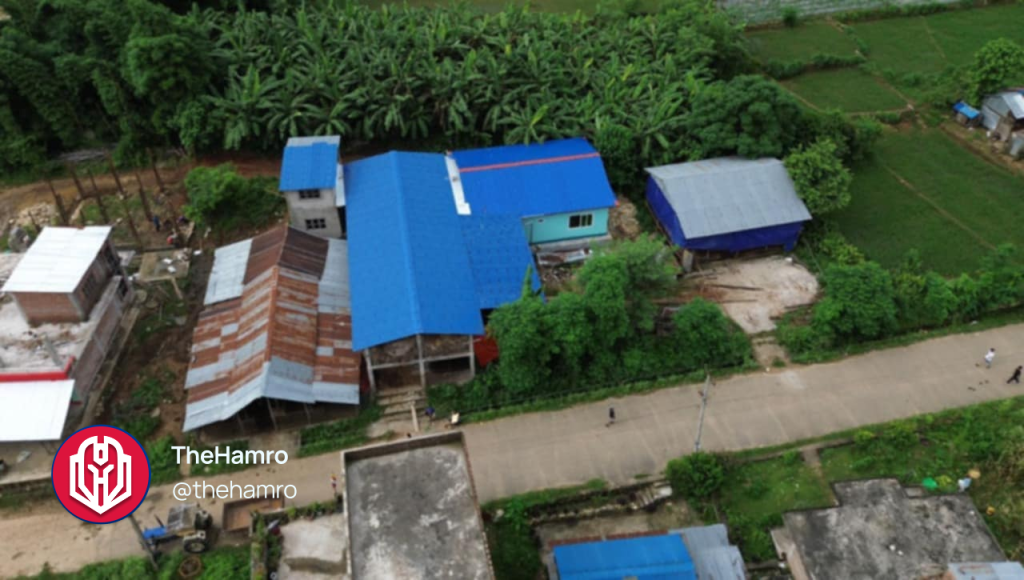
What sets Abhishek apart is his commitment to urine-based and organic farming, spread across 3 kilometers of land and 200 gathas. By replacing chemical fertilizers with cow and buffalo urine and dung, he has reduced dependency on synthetic inputs by 95%, creating an environmentally safe and cost-effective farming model. His approach is low-cost but high-output, ensuring sustainable growth without burdening the environment or his finances.
Despite facing discouraging responses from banks and government offices — being told “Anudan (grants) are closed, why did you even come?” — Abhishek remains optimistic and resilient. Without financial support from banks, NGOs, or the government, he self-funded his mission and now employs 7 local youth from Manahari, empowering the community through agriculture.
His journey is also one of emotional strength. Raised in a family where agriculture was passed on with love and care, he honors his father’s legacy while adding a tech-savvy twist. “I could’ve gone abroad,” says Abhishek, “but I saw the real future here in Nepal’s soil.”
Despite constant societal neglect and the general perception that farming is not a respected or rewarding profession, Abhishek continues to believe in change. “Everywhere I go, people tell me it’s not worth it, that agriculture leads to depression,” he shares. “But I choose to stay hopeful. My goal is not just to grow food but to build a place of learning, research, and social change.”
His platform, www.krishihimalaya.com, is more than a farm website — it’s a hub for learning, collaboration, and connecting consumers to healthy, organic produce. It serves as a digital window into his eco-friendly practices and his vision to educate and inspire the next generation of farmers and innovators.
In a society that often fails to recognize the importance of agriculture, Abhishek’s story is a powerful reminder that farming is not backward — it’s the backbone. His combination of tradition and technology, passion and purpose, makes him a symbol of modern, hopeful Nepal — one that grows from its own soil and shines through its own struggle.







Inspiring